
ブログ
Japan’s Potential Through Asia’s Frontlines ── TSE Singapore Branch × TMI Singapore Office Dialogue ── APAC Frontier Dialogue Vol. 2
2026.04.28
SHARE


INTRODUCTION
In this blog series, we explore a broad range of topics, including the practice areas supported by Japanese law-qualified lawyers in overseas offices and recent business trends, from a perspective that differs slightly from corporate legal practice in Japan.
In the first part of this series, we presented a dialogue between Mr. Goto of the TSE New Listings Department and Mr. Sato, a Japanese law-qualified lawyer at the TMI Singapore Office, on an overview of the Tokyo Stock Exchange ("TSE") Asia Startup Hub and the legal practical aspects of entering the Japanese market and pursuing an IPO.
In the second part of this series, we shift our focus to Singapore. The TSE has established a branch in Singapore, one of the world’s leading financial centers, and is actively engaged across Singapore and neighboring countries in initiatives such as attracting IPOs, conducting investor outreach, and promoting collaboration to support the revitalization of the Japanese economy.
In this part, through a dialogue featuring Mr. Son of the TSE Singapore Branch, who is at the frontline of its activities, we explore Japan’s positioning, future prospects, and challenges as perceived through daily engagement with leading startups, venture capital firms, and institutional investors in Singapore and across Southeast Asia. The discussion also features Mr. Sato, a Japanese law-qualified lawyer at the TMI Singapore Office, as well as Mr. Arvin, an Indonesian law-qualified lawyer, together providing insights from practitioners working across Southeast Asia.
Dialogue Participant Profiles
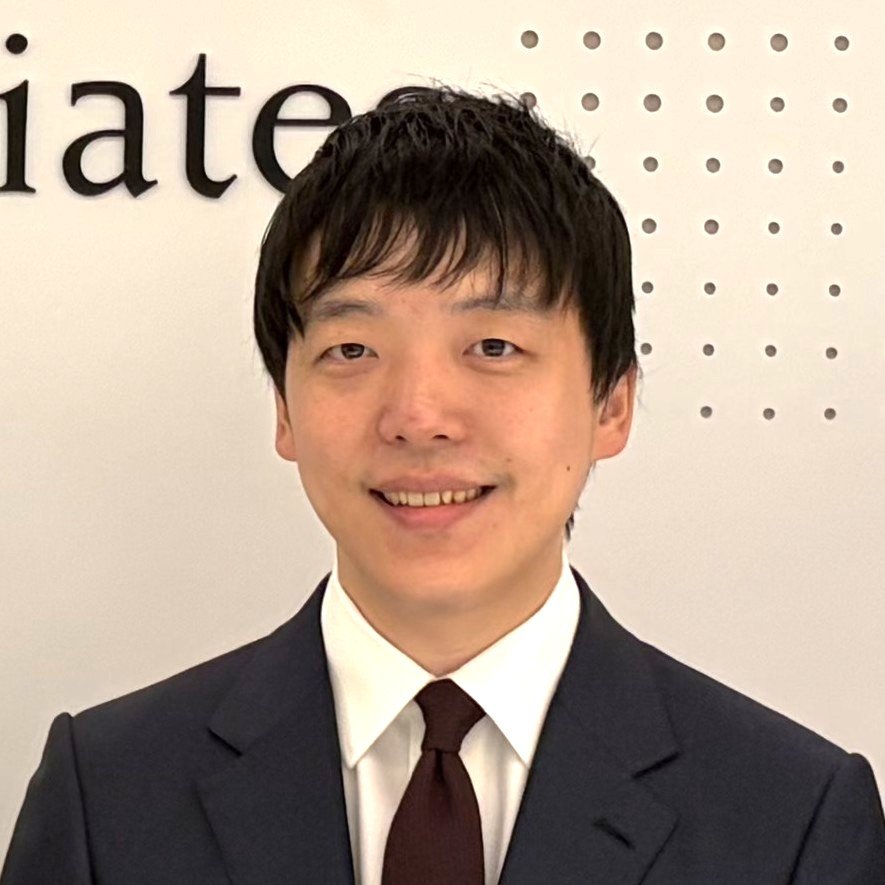
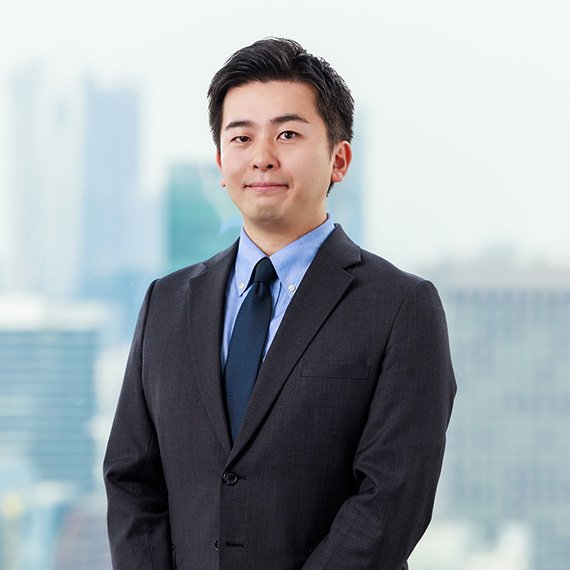
| Beomsu Son, Tokyo Stock Exchange, Deputy General Manager of Singapore Branch Beomsu Son is a capital markets professional at Japan Exchange Group and the Tokyo Stock Exchange. Based in the Singapore branch, he covers Southeast Asia as well as Australia and New Zealand, focusing on international listings origination and capital markets business development. Through close engagement with startups, venture capital firms, financial institutions, and other ecosystem stakeholders, he works to expand cross border listing opportunities on the Tokyo Stock Exchange and to build long term relationships between overseas companies and the Japanese market. He is also involved in speaking at and organizing IPO seminars and startup related events across the region. |
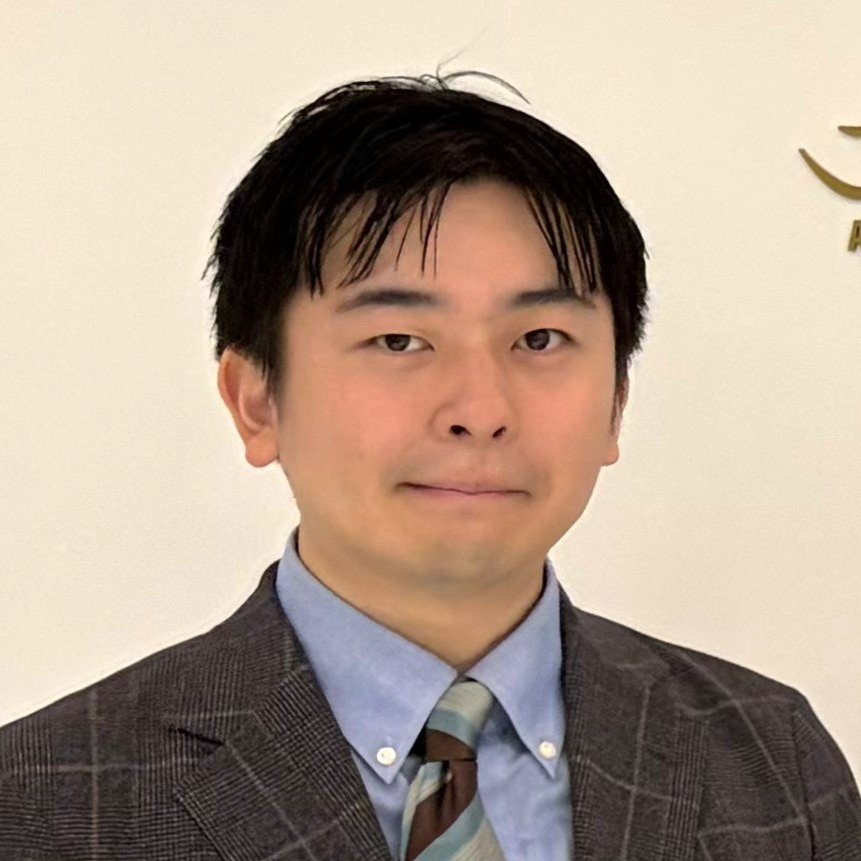
| Tatsuaki Sato, Attorney at Law admitted in Japan, MBA(TMI Associates, Singapore Office) Having joined TMI Associates in 2014, Sato was seconded to the Listed Company Compliance Department and the Listing Examination Department of Japan Exchange Regulation between 2016 and 2018, where he worked on listing-related reviews and the development of the Principles for Preventing Corporate Scandals. He completed an MBA at the National University of Singapore Business School in 2022 and is currently based in the Singapore office. His practice focuses on startup-related matters in Southeast Asia, cross-border M&A, and corporate inversion (Japan flip) transactions. He is a co-author of Legal Practice for Startups (Shojihomu), among other publications. |
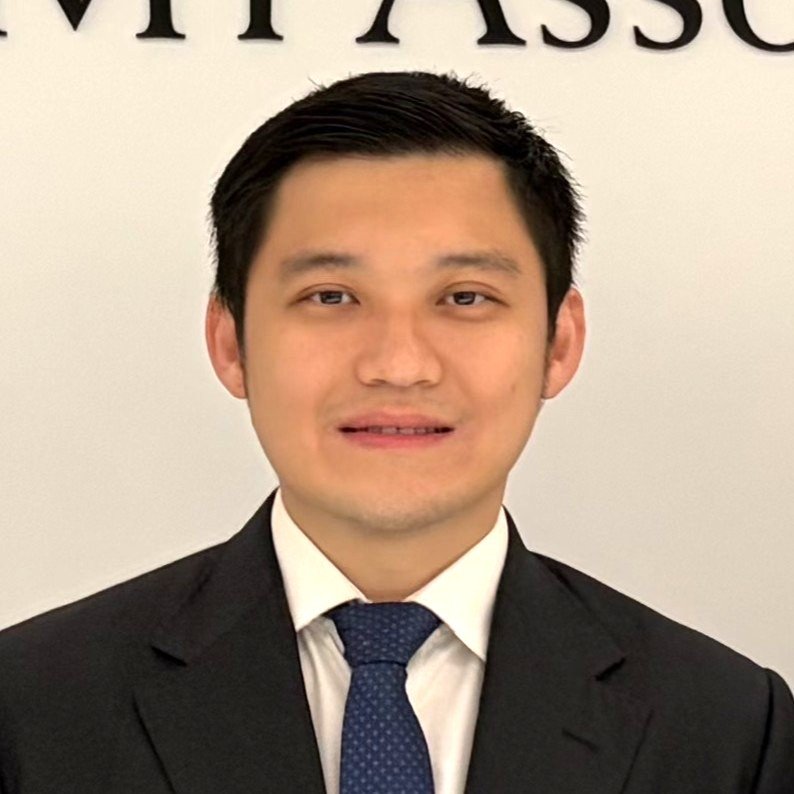
| Arvin Raharja, Attorney at Law(TMI Associates, Singapore Office) Arvin joined the TMI Singapore Office in 2024. He is qualified as an Indonesian advocate and a solicitor in England & Wales and the Republic of Ireland, with a practice focused on cross-border transactions, M&A, and startup financing in Indonesia. He advises multinational clients across Southeast Asia on corporate and transactional matters. He began his career at a leading law firm in Indonesia before relocating to Singapore, bringing a strong grounding in Indonesian law and English law capability to his cross-border practice. |
TSE Singapore Branch── The Role of Local Representatives
── To begin with a basic question, it may not be easy to form a clear picture of what activities TSE personnel carry out in Singapore. Could you explain the rationale for establishing a branch in Singapore, as well as the activities you are involved in on a day-to-day basis?
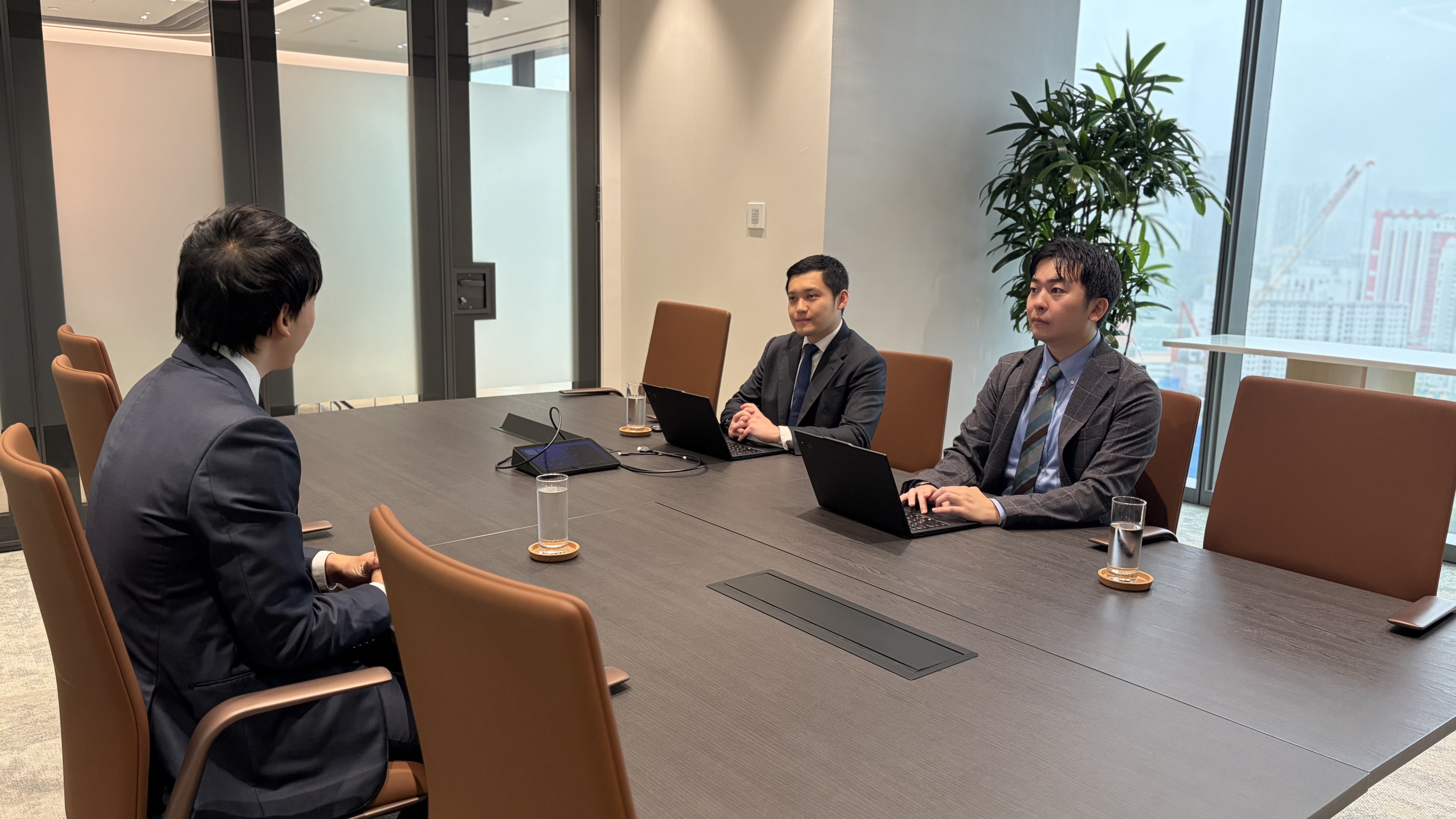
Son
The TSE Singapore Branch performs three principal roles. First, it promotes IPO listings by foreign companies. This involves marketing activities aimed at communicating the benefits of listing on the TSE to leading overseas startups, venture capital firms, and other market participants. It can also be seen as undertaking part of the TSE Asia Startup Hub (‘‘Startup Hub’’; see the first part) initiatives locally.
Second, it conducts investor outreach to institutional investors and asset managers based in Asia. This includes providing the latest information on developments such as regulatory reforms in the Japanese stock market and new indices, with the aim of encouraging investment into the Japanese market.
Third, it promotes coordination and collaboration to support the expansion of the Japanese economy. This includes creating opportunities for business collaboration between Japanese listed companies and leading Asian startups, as well as organising initiatives such as the Japan-Southeast Asia Market Forum, with the objective of revitalising the Japanese economy from a broader, strategic perspective.
Sato
Having heard about these three roles, it appears that they are organically interconnected. Asian startups aiming for an IPO list on the TSE, investors both in Japan and overseas invest in them, and Japanese listed companies further engage in business collaborations with Asian startups. When this cycle functions effectively, it contributes to the revitalization of the Japanese economy as a whole, which I believe is a highly rational and well-designed structure.
Son
That is precisely what we are aiming to achieve. In that sense, Singapore is a strategic location. Leading Asian startups, venture capital firms, institutional investors, and the regional bases of Japanese companies are concentrated in one place, providing an optimal environment to advance these three activities in parallel. As a place where the TSE Asia Startup Hub ecosystem discussed in the first part of this series can function effectively, Singapore, one of the world’s leading financial centers, serves as one of our most important hubs.
Overview of IPO Promotion Activities and TSE’s Competitive Advantages
── Could you describe the nature of your IPO promotion activities in practice, as well as the distinguishing features of the TSE and Japan when compared with other stock exchanges?
Son
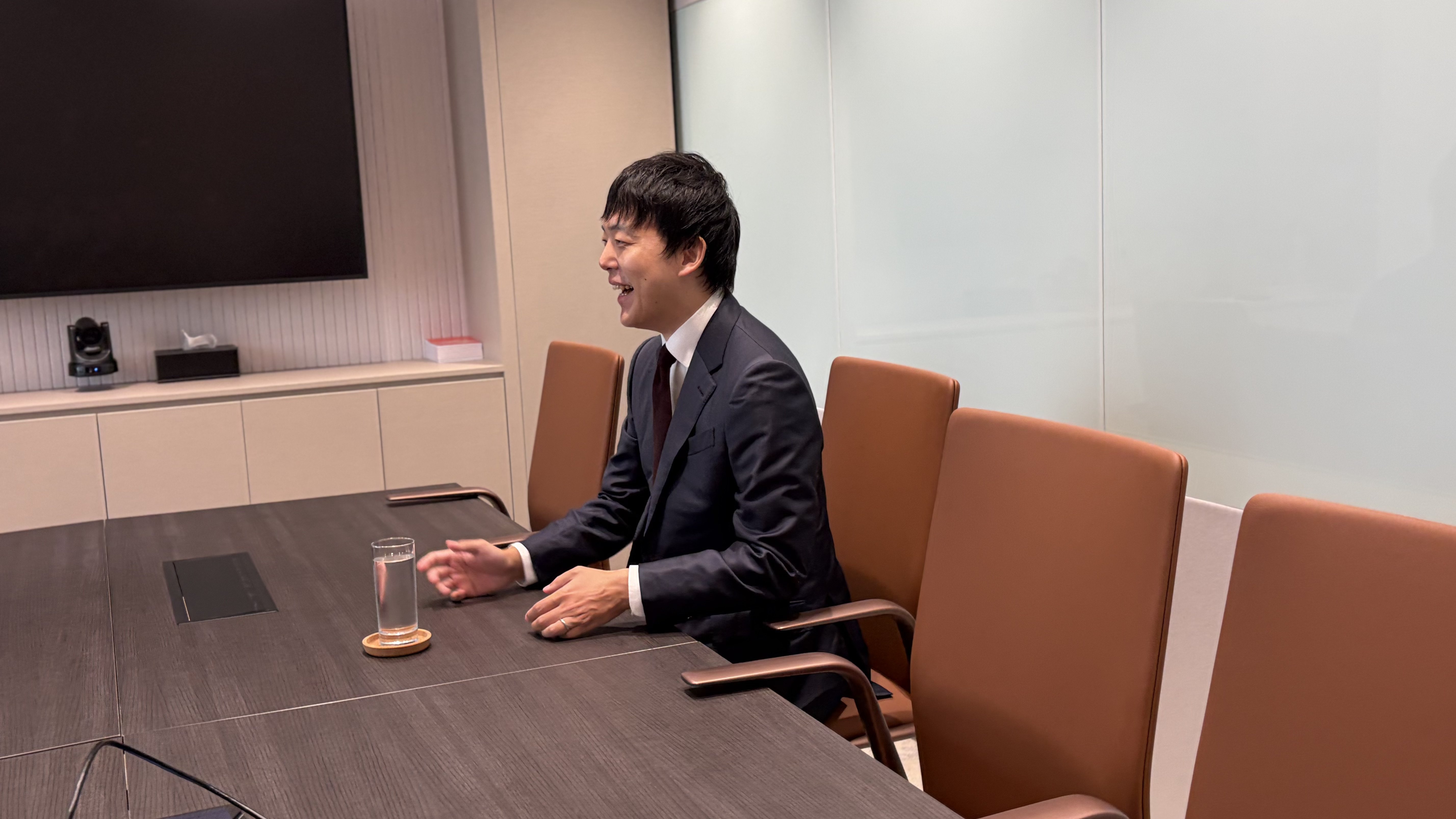
As part of my day-to-day activities, I meet startup founders and VC partners to explain the advantages of listing on the TSE. One point I consistently emphasise is the stability of Japan’s regulatory environment and the strength of its political foundation.
For foreign companies, the most important consideration in planning long-term business development is predictability. In Japan, legal and regulatory processes are highly consistent, and the business environment is less prone to significant fluctuations due to political factors. This stable foundation is highly valued by startups and investors seeking to formulate medium- to long-term growth strategies. Regulations that are often described as complex barriers to entering the Japanese market can, from a different perspective, also function as predictable rules that are unlikely to change once understood.
Sato
From a lawyer’s perspective, I share the same view regarding the stability of the business environment. In the current climate, where VUCA (Volatility, Uncertainty, Complexity, and Ambiguity) is becoming increasingly pronounced, the stability of the business environments in Japan and Singapore is, in my view, a compelling advantage from the perspective of other jurisdictions.
It is true that certain aspects of Japan’s legal and regulatory framework are not straightforward, partly due to historical developments, and practical issues may arise at a basic level, such as the lack of English translations for detailed rules and guidelines. However, as language barriers are gradually being reduced through advances in AI technology, once these frameworks are properly understood, businesses can operate within a relatively stable environment. This is, I believe, one of the key points that can be highlighted when comparing Japan with other jurisdictions.
── When Asian startups consider listing on the TSE, how would you assess its advantages compared with other exchanges such as NASDAQ and the SGX?
Son
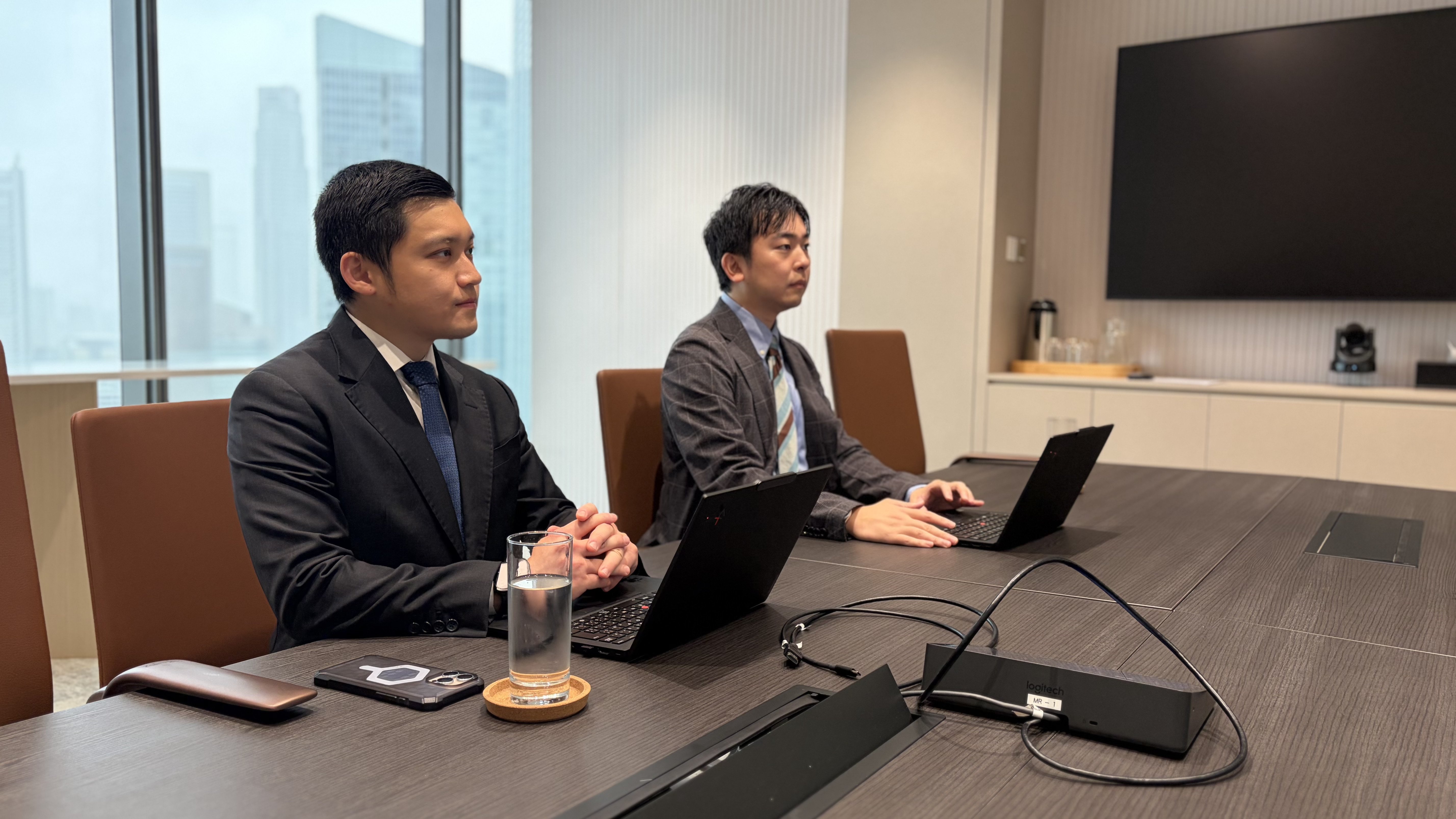
From the perspective of scale, the TSE is one of the largest exchanges in Asia and ranks among the world’s leading markets by market capitalization. In recent years, I have sensed growing global attention toward the Japanese stock market.
The TSE also has strengths in the depth of its investor base. Both retail and institutional investors participate actively, and the Growth Market offers higher liquidity compared with markets for emerging companies in other jurisdictions. In addition, while NASDAQ is attractive as the world’s largest market for technology companies, for Asian startups with valuations in the tens to hundreds of billions of yen, the costs of listing and maintaining a listing can be high, and there are cases where limited analyst coverage makes it difficult to attract sufficient investor attention after listing.
US investors are not always familiar with the business environments, deal flows, and growth opportunities across Asian markets, and as a result, their business models and growth prospects are not always fully understood. By contrast, Japan is part of Asia and provides a market where the business operations of Asian companies and their potential collaboration with Japanese companies can be understood more clearly and concretely.
Accordingly, we see the TSE not merely as a venue for fundraising or listing, but as a market where companies can more readily formulate medium- to long-term growth strategies, including business expansion in Japan and collaboration with Japanese companies.
Arvin
From an Indonesian perspective, it seems that many entrepreneurs in Southeast Asia still tend to view entry into the Japanese market and a listing on the TSE as separate considerations.
While they may consider Japan as a market for expansion or seek to partner with Japanese companies, when it comes to listing venues, many still tend to look first to New York or Singapore.
In my view, this is primarily an issue of awareness, as listing on the TSE is often not recognized as an option at an early stage. It also reflects a broader tendency among overseas entrepreneurs to consider the markets in which they expand their business separately from the markets in which they seek to list.
That said, through the continued outreach efforts of the TSE Singapore Branch, there is strong potential for more overseas entrepreneurs to come to recognize listing on the TSE as a realistic option in the future.
Sato
What Arvin highlighted about creating an initial point of awareness is important. The path from expanding into Japan to a potential listing on the TSE should take shape gradually over time, rather than being driven from the outset by listing as the end goal. At the same time, without the basic information that can prompt such awareness, there is a risk that the opportunity for such a shift may be missed.
In addition, while overseas startups often tend to view M&A as the more mainstream option when compared with an IPO, a TSE listing remains a viable option for foreign companies. Encouraging startups to build business ties with Japan while recognizing a potential TSE listing as a future option can also play a role when considering longer-term fundraising strategies involving Japanese investors. In some cases, positioning a TSE IPO as a possible outcome can help it emerge as a natural and shared option or objective over time.
APAC Business Frontline── Japan’s Potential and Challenges as Perceived in the Local Market
── Could you share your views, based on your day-to-day outreach activities, on the potential and challenges of Japan’s capital markets and business environment from an Asian perspective?
Son
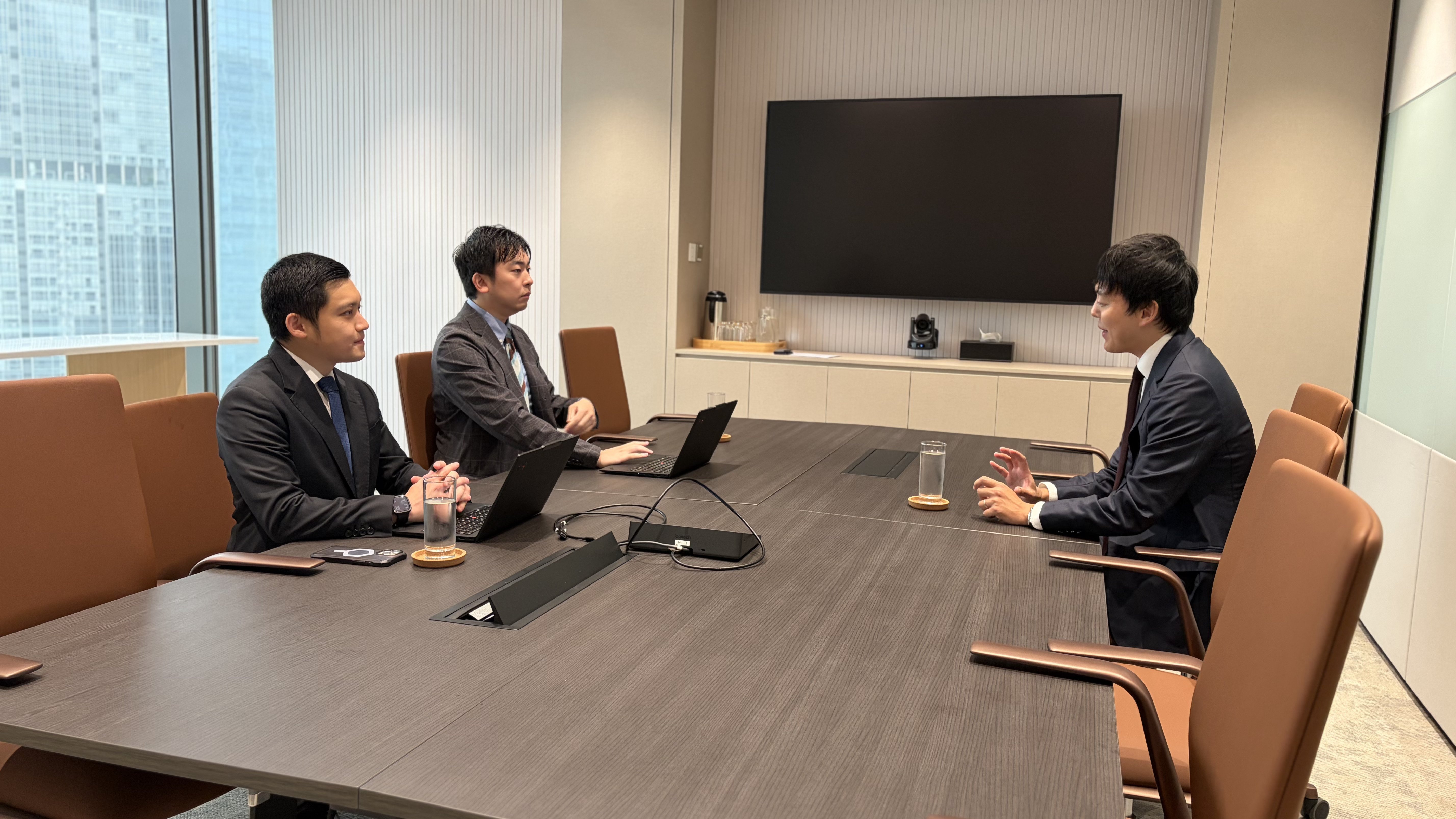
From the perspective of potential, Japan’s reliability and stability hold a certain appeal for startups and investors in Asia.
There are situations where collaborating with Japanese listed companies, operating in the Japanese market, or pursuing a listing on the TSE is viewed positively. While these are factors that are difficult to quantify, they can carry real weight when considering long-term business development.
On the other hand, in terms of challenges, language barriers and differences in business practices are still perceived as hurdles when entering the Japanese market.
In practice, we often hear comments such as, ‘We want to enter Japan, but we are not sure where to begin.’ The TSE Asia Startup Hub ecosystem is one initiative designed to address such early-stage challenges, and we would like to continue exploring ways to make it more accessible and better aligned with practical needs going forward.
Sato
The sentiment of ‘not knowing where to begin’ is something I have encountered both in my role at a law firm and in comments from entrepreneur friends during my MBA who were interested in expanding into Japan. In many cases where I am approached for advice on entering the Japanese market, there is a lack of clarity on what preparations should come first. In such situations, what I consider important at the initial consultation stage is to clearly distinguish between Japanese business norms and those of other jurisdictions, and to step back and reassess assumptions that might otherwise be taken for granted. Rather than focusing solely on regulatory issues, I look at the overall picture, including business strategy, fundraising, governance, and tax, and then identify which issues should be prioritised. Through this triage, startups can make the most effective use of their limited resources.
Even from a legal perspective, priorities vary, ranging from high to relatively low importance. As legal professionals, one would naturally say that all issues should be addressed. In reality, however, if the business does not grow, having only internal policies in place is of little value, and even where revenue increases, the business cannot be sustained if differences in tax treatment ultimately reduce profitability. An excessive focus on compliance and administrative matters at the expense of the core business would be counterproductive. With this in mind, it is important to provide legal advice with appropriate prioritisation, recognising that business decisions are made on the basis of an overall balancing of these factors.
Arvin
In my conversations with entrepreneurs in Southeast Asia, I sense that Japan is often perceived as a difficult market. While that may be true, I hope more of them recognize that if they overcome this difficulty, they can gain a meaningful advantage, as it becomes harder for competitors to follow once they gain a foothold in Japan. The complexity of regulations and differences in business practices can, in turn, create differentiation that is not easily replicated. In Indonesia as well, companies with a track record in the Japanese market or those that have earned the trust of Japanese investors tend to be viewed more favorably.
At TMI, we support clients operating across both Japan and Southeast Asia and helping them navigate these differences in a practical manner is one of our key priorities. At the TMI Singapore office, Japanese law and Indonesian law lawyers work side by side, allowing us to support clients’ business expansion in both jurisdictions on a one-stop basis. TMI also has offices across Asia, which makes us a practical and accessible choice for startups looking to expand into multiple markets in parallel.
── How have people been responding to efforts to promote collaboration between Japanese listed companies and Asian startups?
Son
For Japanese listed companies, collaboration with Asian startups offers significant advantages, including access to new markets, acceleration of digitalization, and the ability to attract young talent. On the other hand, Asian startups can expect rapid growth by leveraging the brand strength, customer base, and financial resources of Japanese listed companies.
There have already been cases where companies supported by TSE Asia Startup Hub have successfully formed business partnerships with major Japanese corporations, leading to tangible business developments. By building on these examples, we aim to more broadly demonstrate the effectiveness of the “Japanese listed companies × Asian startups” model.
Sato
We are seeing an increasing number of collaborations between Japanese companies and Asian startups take the form of M&A transactions or joint ventures, and we are often involved in providing legal support in these transactions. By bringing in specialists to handle processes such as due diligence and contract review, the alignment of expectations between the parties can be achieved more smoothly, thereby establishing a framework in which the collaboration can function effectively.
As the number of overseas M&A transactions by Japanese companies continues to grow, Singapore has emerged as the second most active acquisition destination after the United States in terms of deal volume. To the extent that the activities of the TSE’s Singapore branch have contributed to the increased momentum of outbound M&A by Japanese listed companies, they can be seen as a meaningful initiative in supporting the revitalization of the Japanese economy.
Conclusion── Singapore’s Role in Bridging Japan and Asia
── Finally, we would like to hear your views on the significance of your activities in Singapore and your future outlook.
Son
I view the Singapore branch as a vital strategic 'antenna' operating outside the domestic Japanese market. Our position allows us to capture the ground-level dynamics of Asia—nuances and rapid shifts that are often difficult to discern from within Japan. We then channel these insights back to the TSE to inform our broader activities. Conversely, we serve as a platform to project Japan’s market appeal to the Asian region. In my view, this 'bridge' function—acting as a two-way conduit for information and opportunity—represents the core value proposition of our Singapore office.
Looking ahead, we would like to continue contributing to the creation of an environment in which Asian startups can naturally choose the Japanese market as one of their places for growth.
Arvin
From the standpoint of an Indonesian law–qualified lawyer at a Japanese-based law firm, I hope to serve as a bridge connecting Southeast Asia and Japan. I find it highly rewarding to support both sides: helping the Southeast Asian business ecosystem, including Indonesia, develop a deeper understanding of the Japanese market, while also enabling Japanese companies to engage more actively with Southeast Asia’s growth markets.
At TMI, we handle legal and business matters across multiple jurisdictions in one place, which is key to making such collaborations work in practice. Based in Singapore, where regional businesses are concentrated and interconnected, we are able to support clients on both sides more effectively. I hope to continue playing an active role in these efforts going forward.
Sato
Thank you very much for today. Through this discussion, we hope to share a perspective on Japan’s potential from Singapore. While the TSE Singapore office and the TMI Singapore office operate differently, both share the same mission of connecting Japan and Asia.
Personally, from the perspective of a Japanese law–qualified lawyer, with experience of a secondment to TSE group and MBA experience, I strongly feel the value of being based in Singapore on a daily basis. Going forward, I look forward to working closely with the TSE Singapore office and playing a part in the continued growth of the Japanese and Asian economies.
Member
PROFILE
SHARE